
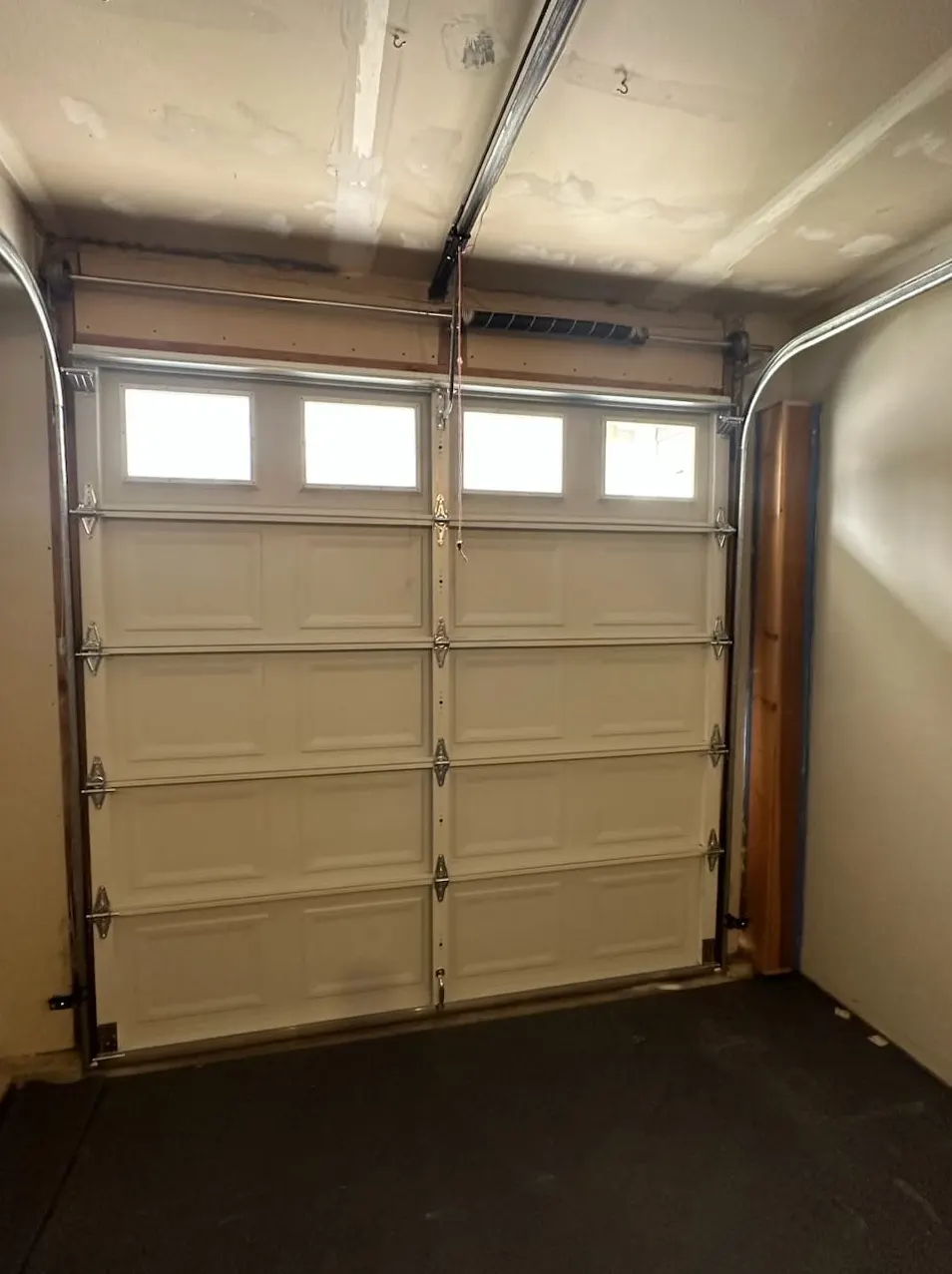
You're standing in the garage, watching the door shudder on its way up, and your spouse says, "It's fine, it's always done that." You're not so sure. Maybe it's the hesitation before it moves, or the way the opener motor sounds like it's working harder than it used to. One of you thinks this door has years left. The other thinks you're one cold morning away from it quitting for good. Here's what actually decides who's right.
The Honest Lifespan Numbers
As a rough national range, a garage door itself typically lasts 20 to 30 years if the panels, hardware, and hinges are in decent shape. The opener is the shorter-lived part of the system, usually good for 10 to 15 years, because it's a motor doing mechanical work every single time you come and go. Springs sit in the middle, often rated for a certain number of open-close cycles rather than a number of years, which is why a door used constantly can wear out its springs faster than a door used twice a day.
None of these numbers are guarantees. They're starting points. What actually happens to your specific door depends a lot on how it's treated and what it's up against.
What Shortens a Door's Life
- Moisture and humidity. Humid summers push moisture into wood panels, steel seams, and hardware. Over years, that means swelling, warping, or rust at the hinges and tracks.
- Ice and cold snaps. Icy winters stiffen lubricant, shrink metal slightly, and make springs and rollers work harder on the first cold-morning opening of the day. That extra strain adds up.
- Heavy rain and storm exposure. Water pooling near the bottom seal or splashing up from the driveway accelerates rust at the bottom panel and the track's lower section, especially on older homes without updated grading or gutters.
- Skipped maintenance. A door that never gets lubricated, inspected, or rebalanced is doing more work than it should on every single cycle, which wears out rollers, hinges, and springs faster than normal use would.
- Housing age and construction. Older homes sometimes have original tracks or non-insulated doors that were never upgraded, so they're simply closer to the end of their expected run. Newer builds often start with better-sealed, better-balanced systems, which buys time.
What Shortens an Opener's Life
- Power surges. Coastal storms and lightning strikes can send a surge through the opener's circuit board, especially if it's not on a surge protector. This is a common, sudden cause of opener failure that has nothing to do with age.
- Incorrect force settings. An opener straining against a door that isn't balanced, or fighting a force setting that's too aggressive, burns out the motor faster. This is different from the door itself being damaged — the opener just works harder than it's built to.
- Humidity inside the garage. If the garage isn't well-ventilated, summer humidity can get into the opener's electronics and logic board over time, shortening its working life the same way it affects other outdoor-adjacent electronics.
- Heavy daily cycle count. A household with multiple drivers using the door five or six times a day puts more wear on the opener's motor and gears than a door opened once or twice daily.
What Actually Extends Both
- Lubrication twice a year. Hinges, rollers, and the torsion spring benefit from a silicone or garage-door-specific lubricant, ideally once before icy winter sets in and once before humid summer weather returns.
- Balance checks. Disconnect the opener and lift the door by hand — it should move smoothly and stay put around waist height. If it slams down or shoots up, the springs are compensating poorly and the opener is picking up the slack.
- Weatherstripping replacement. The rubber seal at the bottom and sides degrades faster in this climate than people expect. A cracked or flattened seal lets in moisture and cold air, and replacing it is cheap insurance against bigger rust and rot problems later.
- Surge protection on the opener outlet. A basic surge protector is a small step that guards against the sudden, storm-related failures that have nothing to do with how old the unit is.
- Not ignoring small noises. A new grinding sound, a hesitation, or an occasional reverse isn't the door "being old" — it's usually one part showing wear before it fails completely. Catching it early is almost always cheaper than waiting.
So Who's Right?
Age alone doesn't tell you much. A 12-year-old door that's been lubricated, rebalanced, and kept dry can outlast a 6-year-old door that's never been touched and sits low where rain collects. The real question isn't "how old is it," it's "how has it been treated, and what is it dealing with right now." A door that's rusting at the bottom panel, an opener that strains and reverses, or hardware that's visibly worn are better indicators than the installation date ever will be.
When to Call Upper Marlboro Door & Opener
If you're seeing rust creeping up from the bottom panel, hearing new grinding or straining sounds, or noticing the door doesn't sit flush and seal the way it used to, that's worth a second opinion before winter weather makes it worse. We'll check the garage door spring replacement needs if the springs are fatigued, and we offer full garage door maintenance visits that cover lubrication, balance, hardware tightening, and weatherstripping, so you're not guessing at what's actually wearing out. Sometimes the fix is small. Sometimes it's smarter to replace one component before it takes others down with it, and we'll tell you honestly which situation you're in.
If you and your spouse are stuck arguing over a door that's acting up, let us settle it. Call Upper Marlboro Door & Opener and we'll take a look, tell you what's actually going on, and give you a straight answer — not just a repair bill.